
Recurring university operations case · 2025
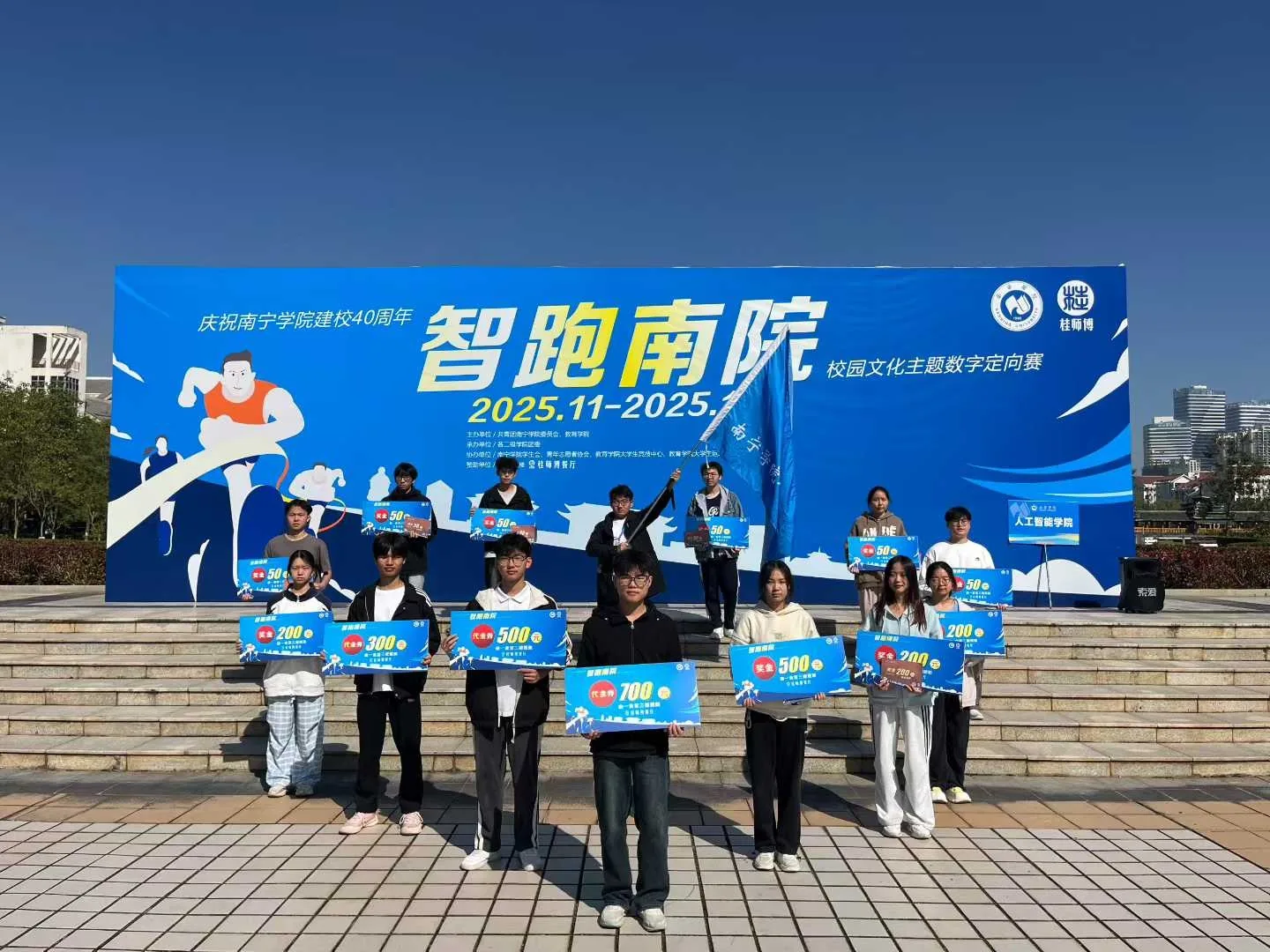
Nanning College campus orienteering
The 2025 autumn program at Nanning College operated 10 events in one month, recording 12,300 participations, 8,144 finishes and 35,346 kilometres.

At a glance
Nanning College operated digital orienteering as a month-long program rather than a single race. Ten events generated 12,300 participations, 8,144 finishes, 35,346 kilometres and 5,793 activity hours. The system handled about 16.05 million location requests and remained stable with 1,200 concurrent participants in one event.
Project facts
The event at a glance
01
From one event to a month-long operating plan
Recurring activity needs session management, consistent rules, participant access, service capacity and comparable reporting. Ten sessions reused the same core map and platform while preserving event-level data.
- Reuse one campus environment
- Manage participation and finishes by session
- Record activity and interactions continuously
- Review the month with consistent definitions
02
Reliability enables large campus programs
Large participation volumes continuously create location, mission and result data. About 16.05 million location requests were recorded, with stable service during an event involving 1,200 concurrent participants. Capacity, monitoring and incident handling are part of delivery, not an afterthought.
03
Participation and finish metrics
Participations count valid entries into activities, while finishes require all completion conditions. The difference can help organizers investigate route difficulty, on-site operations, misunderstood rules or participant drop-off.
04
Reusable assets after the program
The campus map, route templates, mission content, operating experience and metric definitions remain useful. Future programs can change the theme, audience and difficulty without starting from zero.
Source: project presentation and platform activity records. Reporting period: one continuous month in autumn 2025.
FAQ
Frequently asked questions
What does 1,200 concurrent participants mean?
It means approximately 1,200 people used the system during the same event, with stable service recorded at that scale.
Why are participations higher than finishes?
A participation records a valid activity entry. A finish requires completion of all defined conditions, so withdrawals, timeouts and incomplete tasks create a difference.
Does every session need a new map?
Usually not. One map can be reused while routes, checkpoints, missions and rules change by session.
Keep exploring
You may also like
Start a conversation